Rosas' forces comprised 10,000 infantry troops, 12,000 cavalrymen and 60 guns. Among his captains were Jerónimo Costa, who defended Martín García island from the French in 1838; Martiniano Chilavert, a former opponent of Rosas who defected when his fellows allied themselves with foreigners; Hilario Lagos, veteran from the campaign against the Indians of 1833.
Due to desertion, especially that of General Ángel Pacheco and poor morale, several historians and military analysts[who?] reckon that for Rosas the battle was lost even before it started. However, his opponent also suffered from desertions like that of the Regimiento Aquino, a regiment composed by soldiers loyal to Rosas, who murdered their captain Pedro León Aquino and joined the Rosist army.
Justo José de Urquiza
Urquiza's army was 24,000-men strong, among them 3,500 Brazilians and 1,500 Uruguayans, and 50 guns. Only the Brazilians were professional soldiers. Urquiza did not conduct the battle: each chief was free to fight as they saw fit. Urquiza himself led a charge against the enemy left in front of their cavalrymen from Entre Ríos.
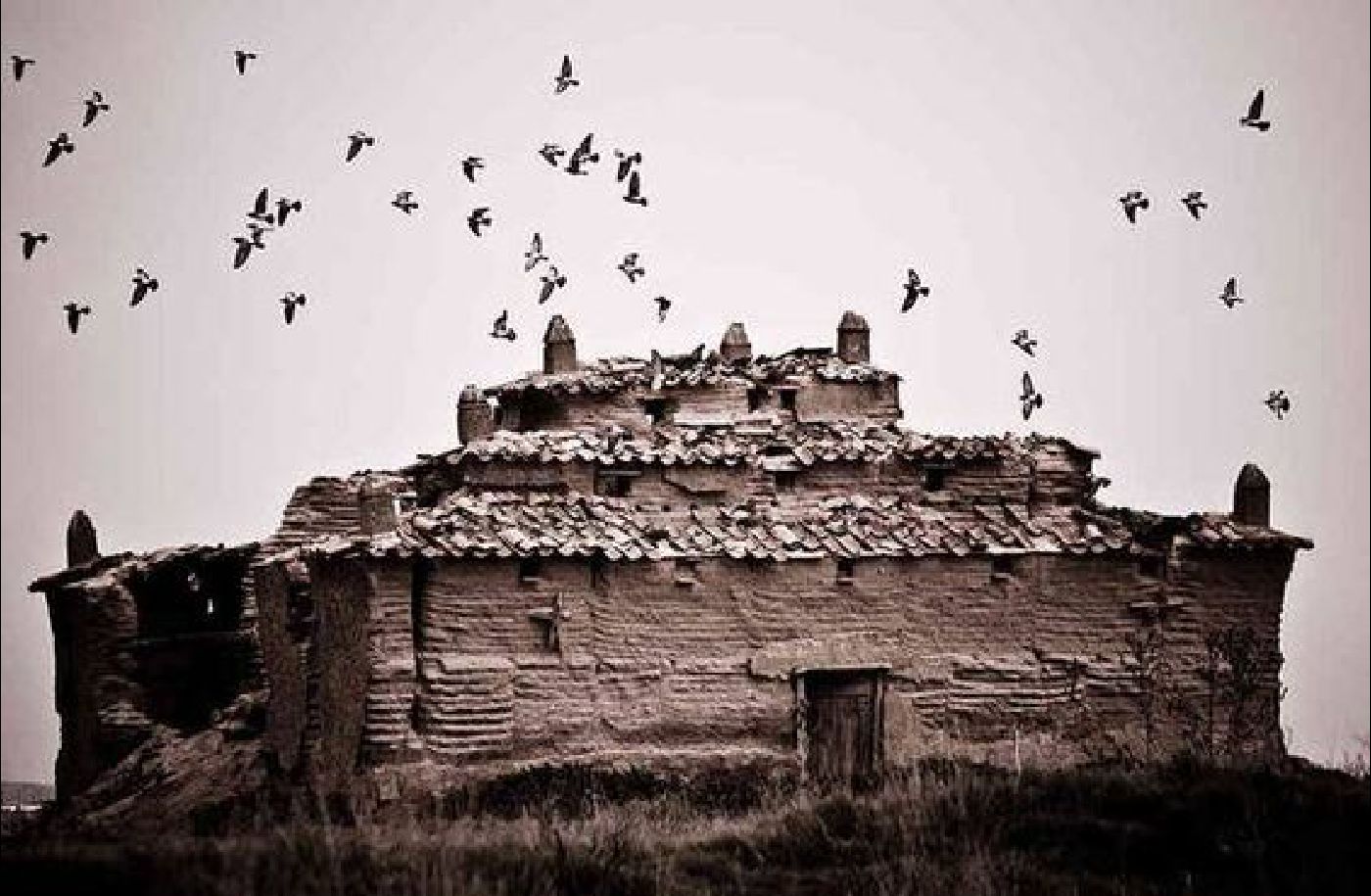
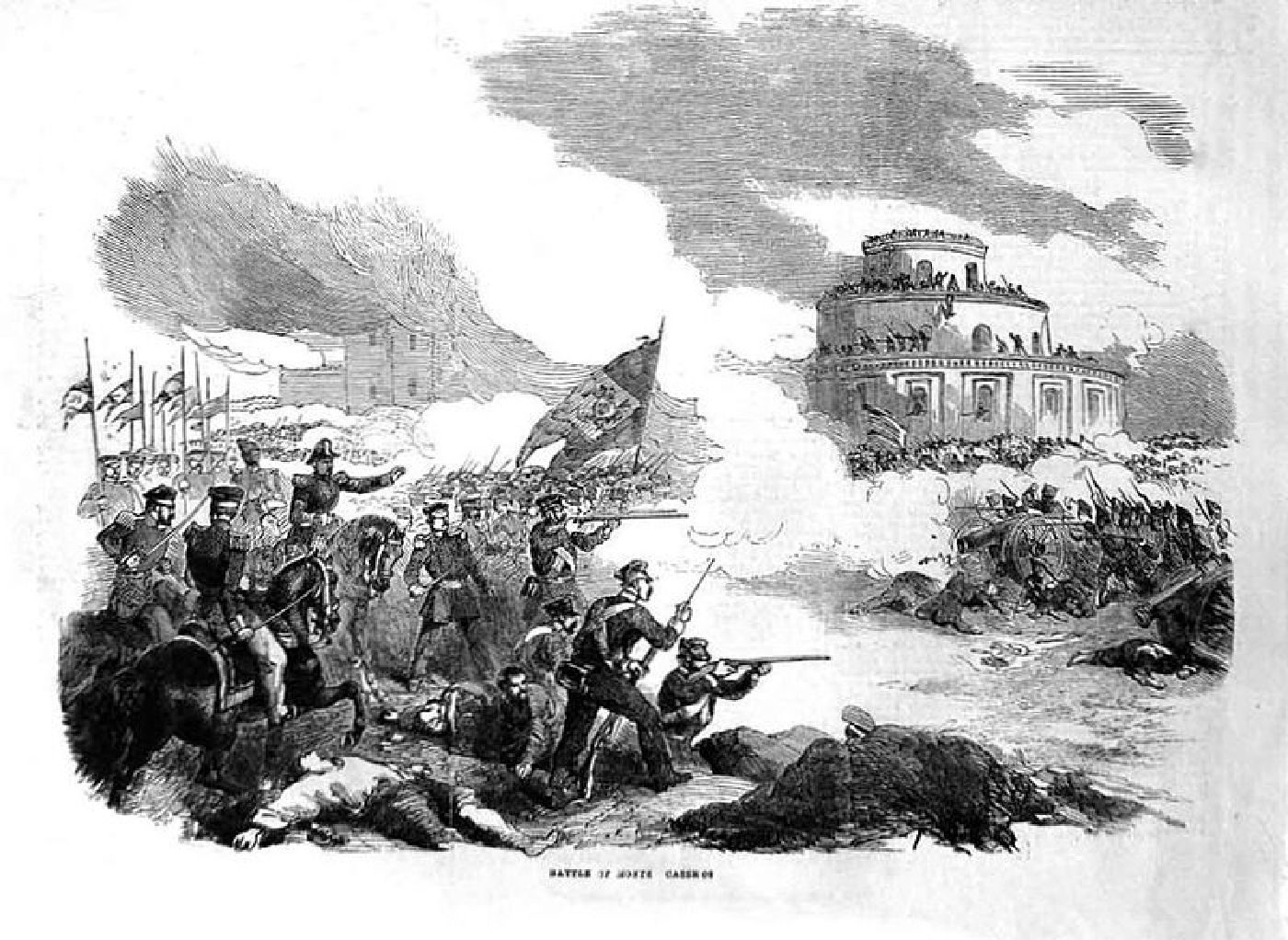
Meanwhile, the Brazilian infantry, supported by a Uruguayan brigade and an Argentine cavalry squadron seized the Palomar, a circular building near the right of the Rosist line and used for pigeon breeding, extant to this day. After both flanks collapsed only the center under Chilavert's command continued the fighting, reduced to an artillery duel that lasted until he ran out of ammunition.
Battle of Caseros; in the background the Palomar which still exists
The armies clashed in the proximities of the ranch of the Caseros family, in Buenos Aires province; the battlefield was located between the present-day railway stations of Caseros and Palomar, the area is now occupied by the Colegio Militar de la Nación (National Military College), a military academy.
The whole battle lasted about three hours, after which Rosas was wounded in a hand and fled; he wrote a resignation, and a few hours later he boarded the British frigate HMS Centaur towards exile in Southampton.