My father Robert Richard Edgar, was born on February 11th, 1862 in Buenos Aires, well in the city' centre only a few block away from the Casa Rosada (Government House on to Plaza de Mayo), neither of us could remember the name of the street. He worked with his father, studied and then went to the USA to complete his studies in medicine at North Western University.
His younger brother Alfred went with him. They were there for four years till Alfred contracted Typhoid Fever and died in Aurora, Illinois in 1882. He remained behind, became homesick and returned to Buenos Aires in 1883.
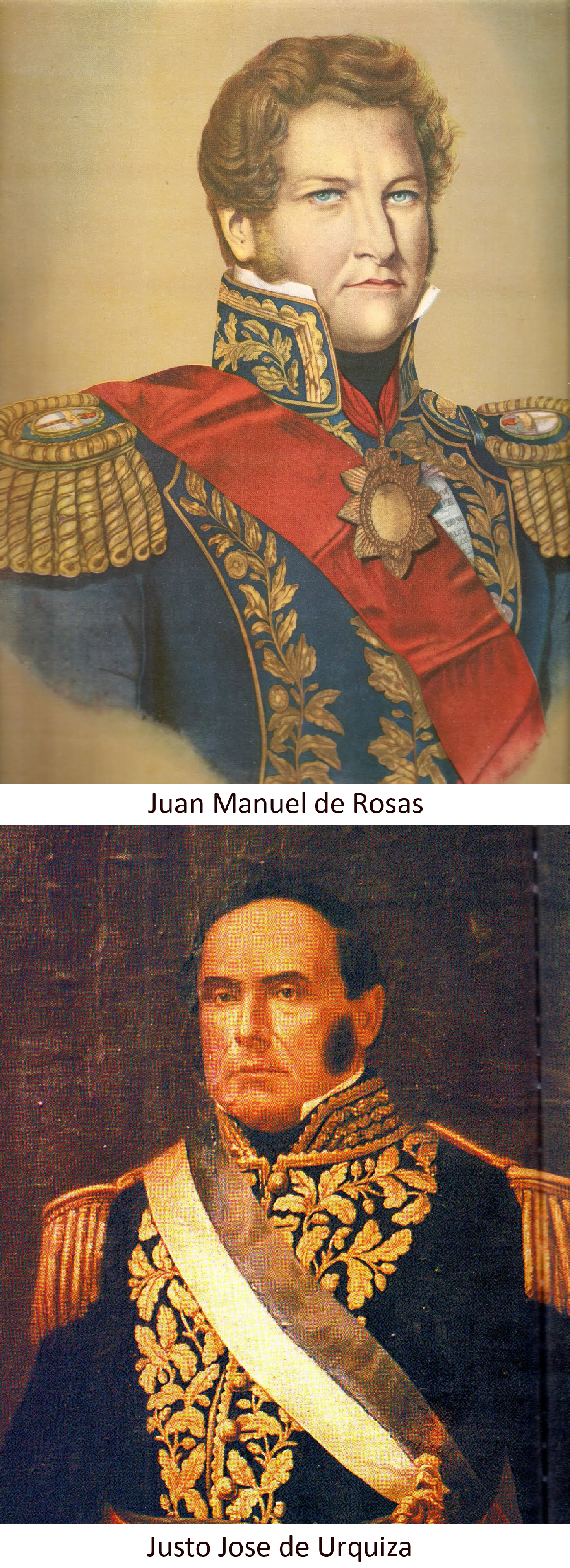
At this point it is worth giving some historical context regarding both Uruguay and Argentina; I will use Felix Luna's book "A Short History of the Argentinians" without knowing the exact date of arrival of the 1st Robert Edgar married to Anne Keys, it is hard to know what conditions were in South America, having made that caveat it is not unreasonable to commence with "the Federal Pact of 1831 signed by Buenos Aires, Santa Fe and Corrientes and gradually adhered to by the provinces. The Pact primarily committed signatories to summoning a congress once peace had been restored and adopting a federal system. Rosas' 1834 Letter from the Hacienda de Figueroa had a more theoretical approach and laid down thinking on these matters. He believed the country was not yet ready for a constitution and that only time would tell.
Rosas government began early 1835 and lasted for seventeen years until the Battle of Caseros in February 1852 . ...
Rosas had a very personal idea of freedom: he considered that governments should be authoritarian and repressive, either implicitly or explicitly. He had no sense of tolerance or pluralism whatsoever towards his opponents; rather he believed in the need for paternalistic authority directing every detail of life in the community. He was, besides, a staunch defender of Argentine sovereignty (referred to as independence at the time) and courageously opposed the ambitions of the most powerful countries in the world, France and England.
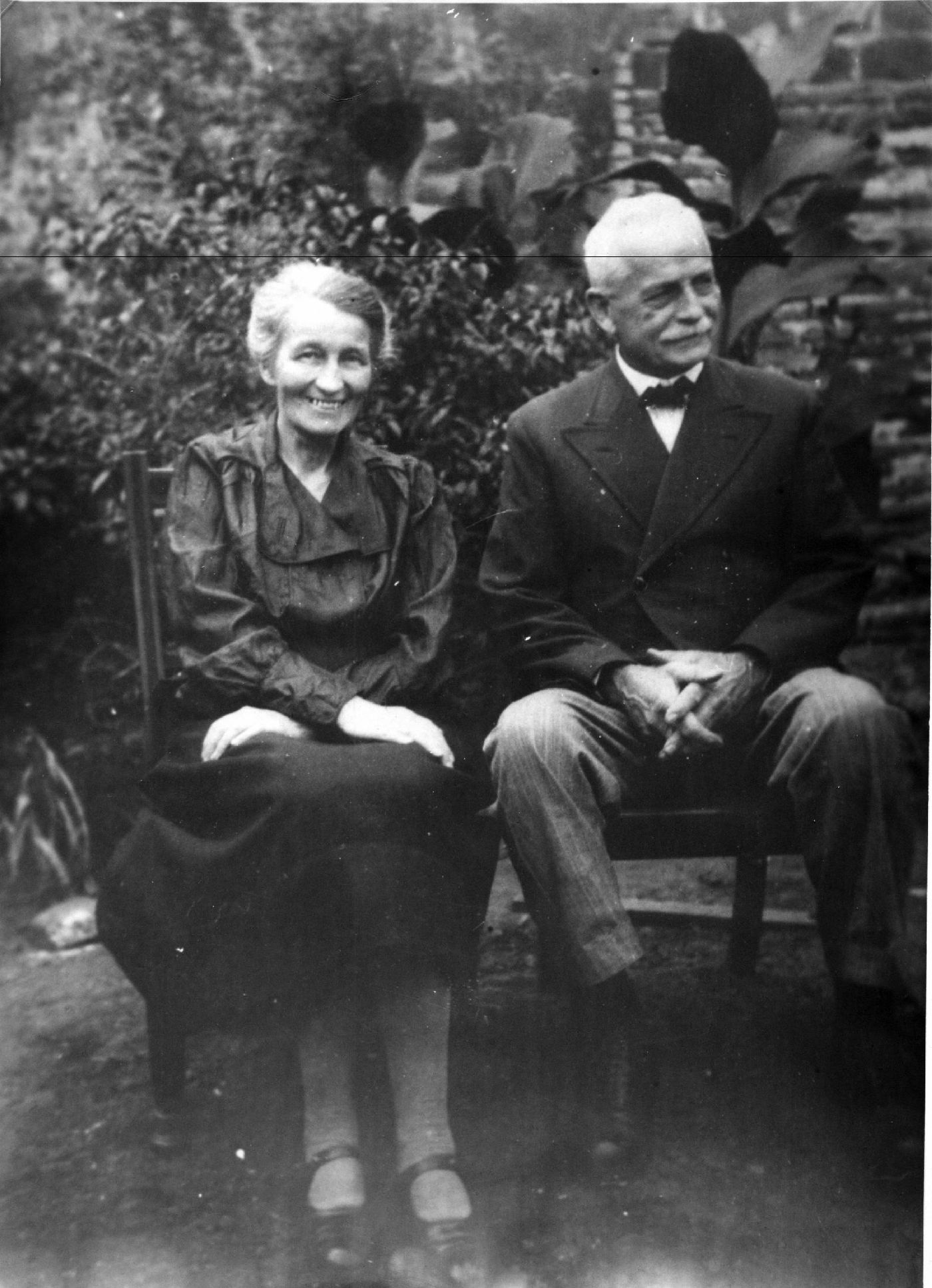
My father Robert Richard Edgar, was born on February 11th, 1862 in Buenos Aires, well in the city' centre only a few block away from the Casa Rosada (Government House on to Plaza de Mayo), neither of us could remember the name of the street. He worked with his father, studied and then went to the USA to complete his studies in medicine at North Western University.
His younger brother Alfred went with him. They were there for four years till Alfred contracted Typhoid Fever and died in Aurora, Illinois in 1882. He remained behind, became homesick and returned to Buenos Aires in 1883.
At this point it is worth giving some historical context regarding both Uruguay and Argentina; I will use Felix Luna's book "A Short History of the Argentinians" without knowing the exact date of arrival of the 1st Robert Edgar married to Anne Keys, it is hard to know what conditions were in South America, having made that caveat it is not unreasonable to commence with "the Federal Pact of 1831 signed by Buenos Aires, Santa Fe and Corrientes and gradually adhered to by the provinces. The Pact primarily committed signatories to summoning a congress once peace had been restored and adopting a federal system. Rosas' 1834 Letter from the Hacienda de Figueroa had a more theoretical approach and laid down thinking on these matters. He believed the country was not yet ready for a constitution and that only time would tell.
Rosas government began early 1835 and lasted for seventeen years until the Battle of Caseros in February 1852 . ...
Rosas had a very personal idea of freedom: he considered that governments should be authoritarian and repressive, either implicitly or explicitly. He had no sense of tolerance or pluralism whatsoever towards his opponents; rather he believed in the need for paternalistic authority directing every detail of life in the community. He was, besides, a staunch defender of Argentine sovereignty (referred to as independence at the time) and courageously opposed the ambitions of the most powerful countries in the world, France and England.
In 1835 this may have been a necessary respite from the civil wars that had been tearing Argentine society apart. But afterwards there was reasonable progress, and other intellectual and legal needs arose, such as a written constitution. Throughout the 1840s, popular revolutionary movements in Europe were demanding constitutional charters from or imposing them upon monarchs. The fashionable idea of the day was that the relationship between authority and subjects, ... , as well as the rights of citizens should be enshrined in writing in books of law".
By the time my great grandparents married in 1860, there was unrest between the Confederation and the State of Buenos Aires, it acted as an autonomous state, but considered itself as part of the Argentine Republic. After a further bust up between State of Buenos Aires and the Confederation, about the Constitution, led to armed conflict. Troops from either side lined up against each other ... and in 1861 the Battle of Pavon broke out. From a military point of view neither side was a victor, although Urquiza won, the Porteno infantry led by Mitre managed to advance as far as Rosario and Urquiza retreated to his quiet haven in Entre Rios.,, The outcome was that Mitre struck a deal with several provincial governments to invest him with the necessary powers to handle domestic and foreign affairs for the Confederation.
Elections were held in 1862and in the same year Mitre was sworn in as President of the Nation on 12 October., (The same year my grandfather was born).