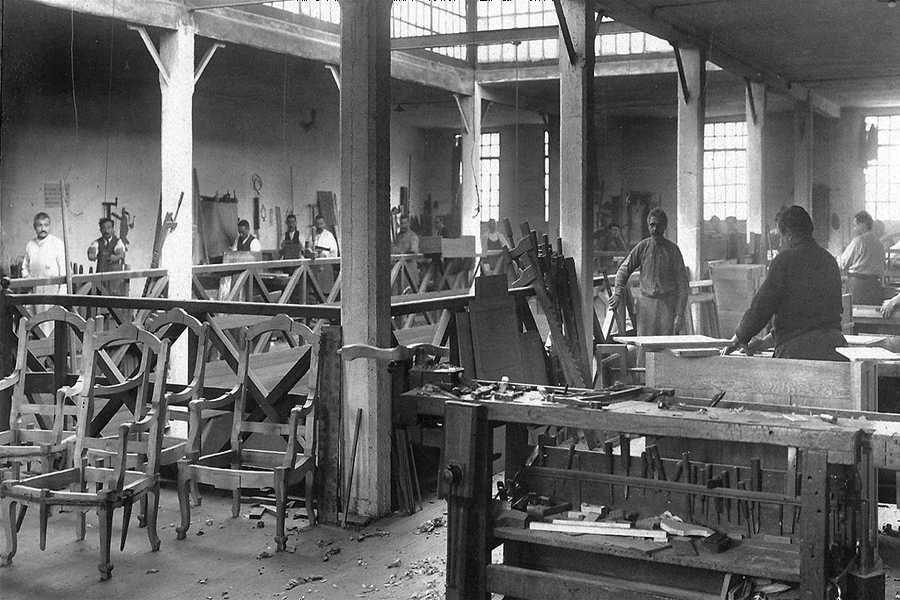
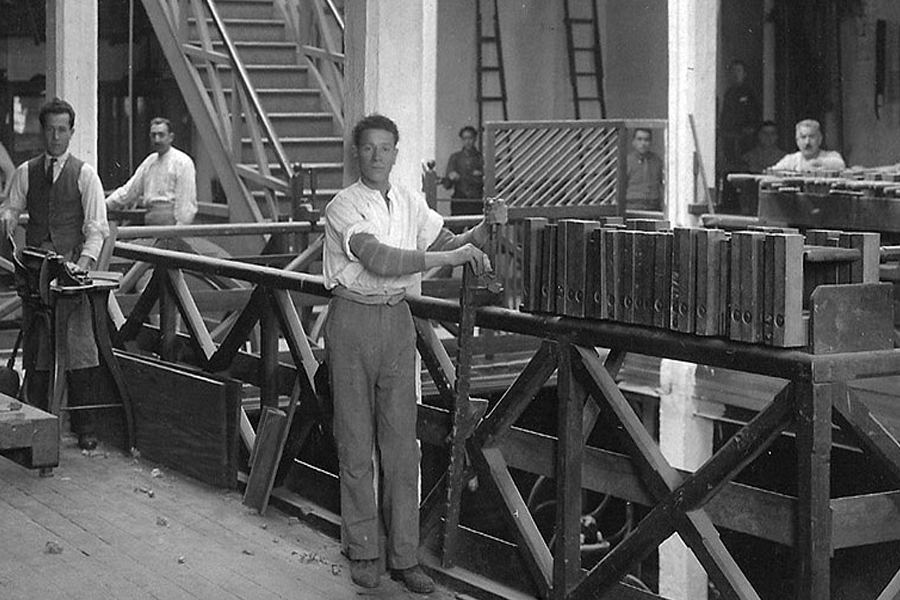
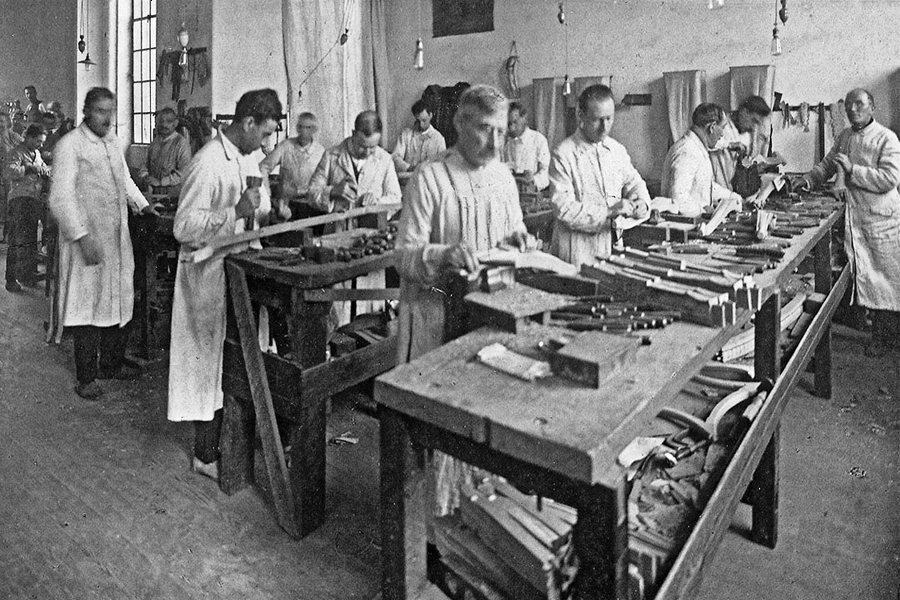
In the month of December I receive two letters from señor Lobenheimer in which he tells me the company is not the same one it used to be. Molinari would fire workers and spend the money I had left in case, showing troubling lack of character. I had bad feelings, and in his third letter received in January, señor Lobenheimer intimates me to return. Then I start to prepare my return for the month of March, since I had not received a single penny from Buenos Aires. I left by myself in the Spanish steamer “Pedro de Batrustegui” from Barcelona which took 19 days to arrive in Buenos Aires. After a good trip I arrive at home at 8 o’clock in the morning, unannounced. In my shop that had 60 workers before I left, there remained only 25, and I in fear of not being able to pay them their fortnight. As I met my clients again, many paid me immediately what they owed me and they all tell me that Molinari does nothing but mess up and that he is a charlatan. When I faced him in person, Molinari told me he had warned me: “I watch out for the company but don’t count on me for business”
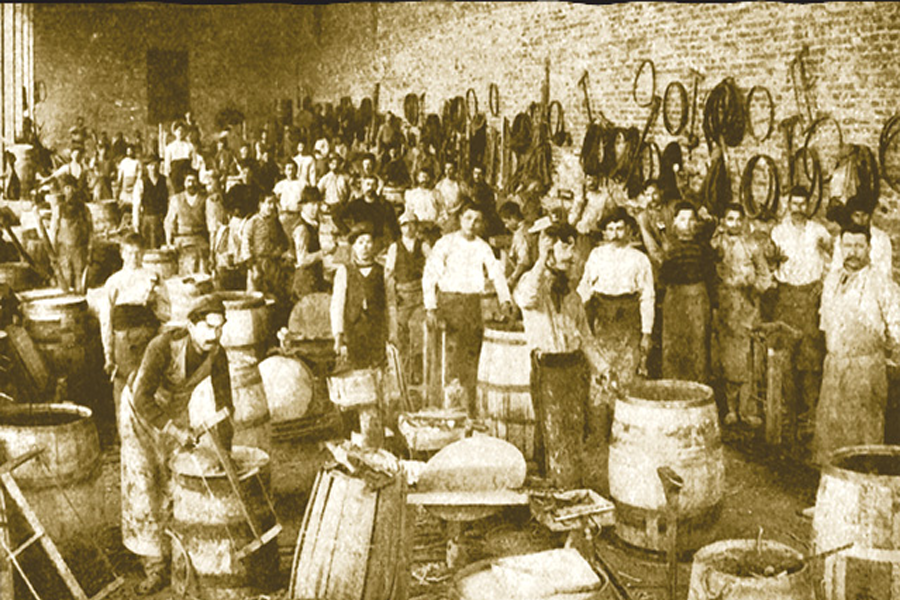
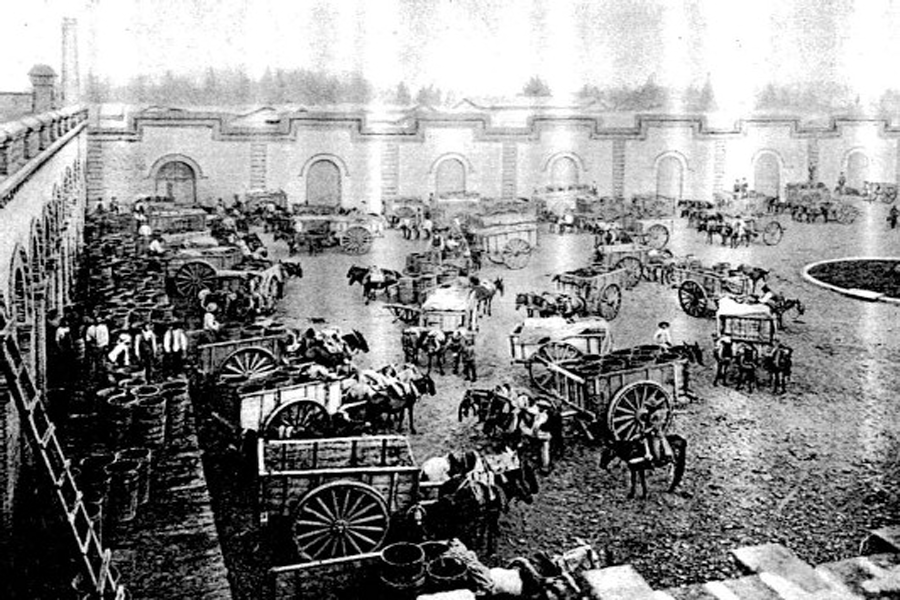
The house of Vinos Tomba wants to buy 50,000 barrels of wood for production
When I reestablished contact with my clients, I met señor Song, who in the first place reiterates his observation about Molinari’s incapacity to run a company like mine, and then starts to talk to me about his friend Tomba: “Since you plan to return to France, we could confirm the purchase of 50,000 barrels for the storage of wine.
He knows that the best wood for wine is oak, but he has also found out that in France they use chestnut which is equally adequate but less heavy, being this and advantage for shipping as the railway charges by weight. Without confirming immediately, I thought about it for a few days and I discuss this with Duchez, who advised me not to loose this business which was worth much more than the building of furniture, in addition to securing a new client for life. Merelle informs me that he had worked in the construction of barrels, that chestnut could work and that the best thing was to have my own experiences, producing directly in the Pyrenees. They had both convinced me and I asked Tomba what price he would pay for unassembled barrels delivered at the port of Buenos Aires. He was offering 7 pesos each and would pay me an advance of 20,000 to help me launch production. My company had 50 well occupied workers but payments were delayed: Luraschi, Song, Glacer, Thompson and others were behind in their payments. All this encouraged me not to refuse Tomba’s offer and I was thinking Merelle could take charge of this new project. He proposes leaving to Europe with me, intermediate 3rd class paid for, plus 10 days vacation to visit his family in Pontoise, and after that, be always and at all times at my disposal for the exploitation of wood and the fabrication of barrels en Ceret with a foreman’s wage as paid in France plus 18% benefits. These conditions were immediately accepted by me. Mr Duchez in turn very excited, told me:
“I will leave for France with my family at year end and I will see you in Ceret, where I will decide whether to stay with you as a partner or go to Gardens with my friend Auberdiac, who has a walnut and haya wood lumber yard, woods that could be exported to Argentina as there is great demand for them and they are scarce."
My big problem was Molinari whom I couldn’t replace for lack of time. My departure with my wife took place on September 1st 1901, arriving Leonie and I in Ceret as planned. Until Merelle’s arrival I had requested information on chestnut availability from my relative Onouphre Tarris, Ceret Municipal attaché, but he disillusioned me by telling me not to count on the chestnut wood because it was not abundant in the region.