In Puritan society, the average age for marriage was higher than in any other group of immigrants — the average for men was 26, and for women age 23. There was a strong imperative to marry — those who did not were ostracized. The gender ratio was about 150 men to every 100 women.
Puritan women married for love — there were no arranged marriages. Courtship practices were strict, and weddings were simple affairs. First cousin marriages were forbidden and second cousin marriages were discouraged.
Banns had to be published before a marriage could take place. Publication of the Banns was the public announcement by the minister during a normal church service that two people wished to marry, and an invitation to the congregation to declare any unlawful reason why they should not marry.
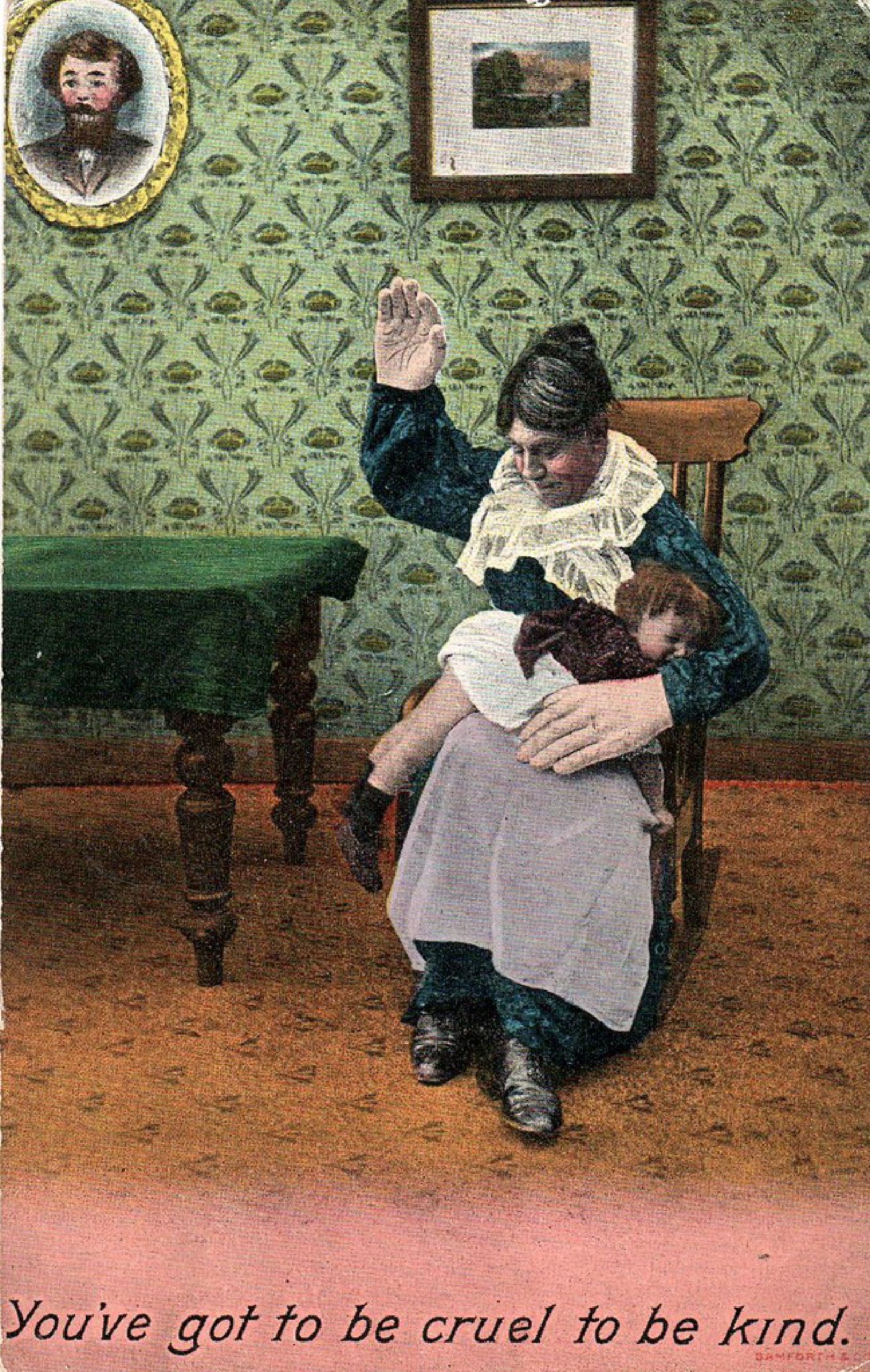
The Puritans were strict parents. They loved their children but believed their wills had to be broken — due to the basic depravity of human nature. This was achieved by strict and rigorous supervision. They tried to use mental discipline and love, but if it did not work, they were quick to use physical constraints. The Puritans practiced the custom of sending out, in which children were sent to live with other families for training, discipline, or apprenticeship.
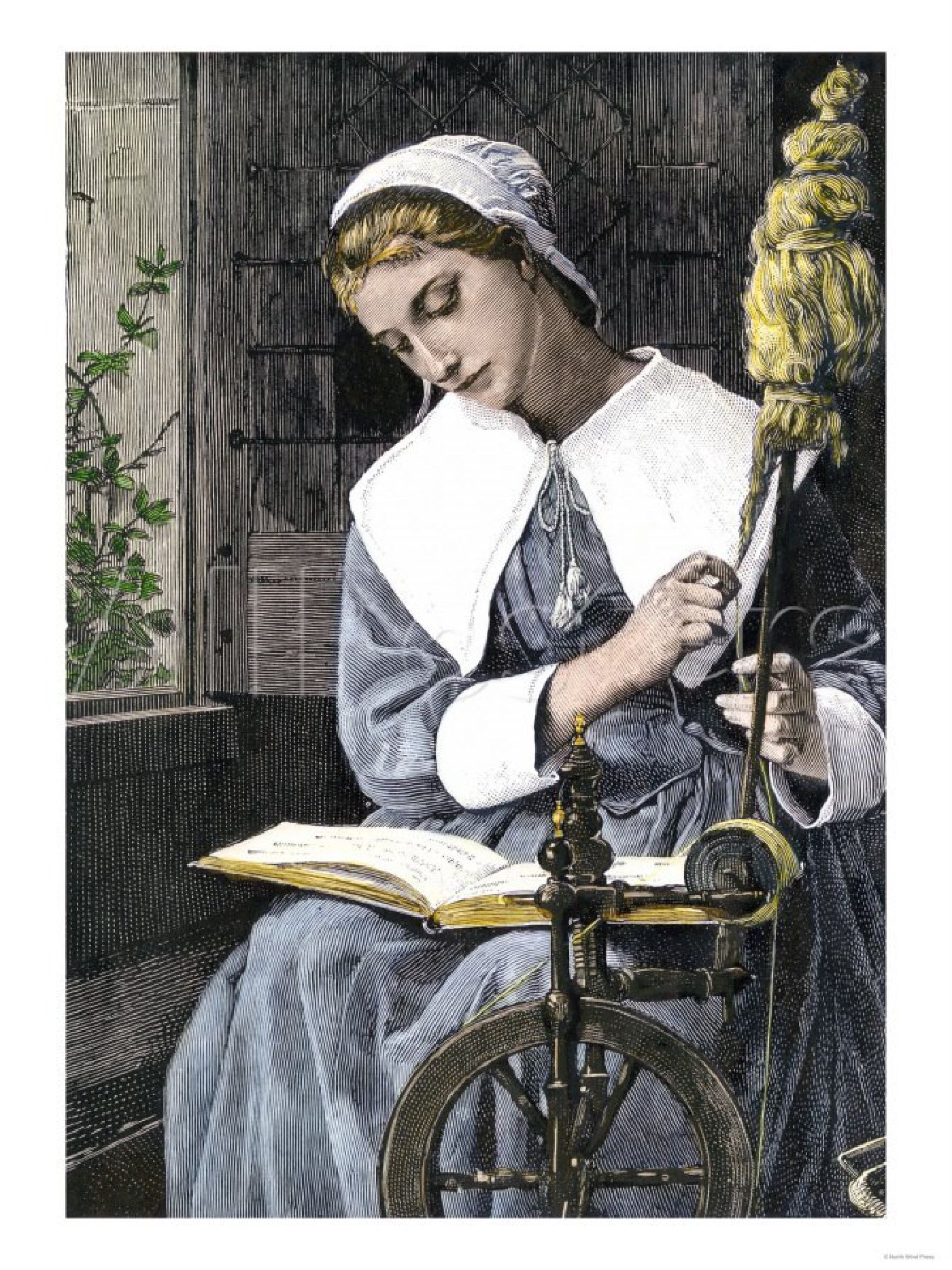
Women were, of course, subordinate to men. In the new colonies, the same laws existed as in England. Married women were not allowed to possess property, sign contracts, or conduct business. Their husbands owned everything, including the couple’s children. Only widows who did not remarry could own property and run their own businesses.
Women had to dress modestly, covering their hair and arms. Women found guilty of immodest dress could be stripped to the waist and whipped until their backs were bloody. Public humiliation could include confessing one’s sins in front of the whole church congregation.